I never got to go to the dentist as a child. As a young adult, I couldn’t afford it. Now that I’m in my thirties, I decided to bite the bullet. I wasn’t surprised to be told I needed a lot of work. The dentist said he usually recommends a full-mouth reconstruction. He explained what it was, but the price was well out of my ability. It sounds like something that would really help me though. Is there some way to get an affordable full-mouth reconstruction?
Elaine
Dear Elaine,

Even if you had the money for a full-mouth reconstruction, I’d recommend you get a second opinion. There may be a better way to repair your smile without crowning every tooth. That alone will give you more affordable dental care.
Go to another dentist and ask him to first list out all the work your mouth needs. It’s very likely you have teeth which don’t need work. You didn’t mention having any pain, so it doesn’t sound like you’re losing any teeth and need something like dental implants.
If it turns out you do need a full-mouth reconstruction, you need to verify the training and credentials your dentist has. This is a serious procedure which is well beyond what a dentist learns in dental school. It requires an advanced knowledge of both aesthetics and reconstructive dentistry. If they don’t get the aesthetics right, your smile will look horrible. If they don’t get the reconstructive done properly, you’ll end up in pain for the rest of your life from a misplaced bite.
How to Afford Dental Care When You Need a Lot of Work
It’s hard when you haven’t been able to go to the dentist because of the amount of work you end up needing. It sounds like you’ve been fortunate and haven’t needed any emergency dental care. As I mentioned earlier, you want to preserve as much natural tooth structure as possible.
When he lists out the work you need, have him list it from most urgent to least. A good dentist will also give you all your alternatives. So if you need a tooth replaced, which I hope you don’t, and the teeth on either side of it need crowns, it would make more sense to get a dental bridge instead of a dental implant. It’s like getting three procedures in one.
The reason for the list is to allow you to separate out your treatment into affordable bites. Make sure he tells you about any procedures you can double up on to save money.
This blog is brought to you by Dr. Kevin Peck.




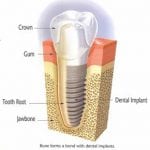 This is the option your dentist mentioned. It is at the top of the line, the ideal option. In fact, it’s a lot like having your natural tooth back (when it was healthy). The downsides are the cost and the fact that it requires surgery. The surgery is actually its benefit too. It implants a root form into your jawbone which protects you from losing essential bone structure. Click here to
 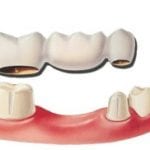 This is a second good option. It suspends a false tooth between two dental crowns. The downside is it does remove tooth structure from the adjacent teeth to make room for the crown. This makes more sense if those teeth already need crowns. Then you’re getting two for the price of one. The upside is it’s less expensive. Click here to
 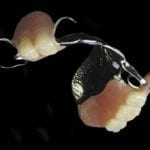 This is my least favorite option, but sometimes it’s all a patient can afford, so I help them make the best of it. It just uses a partial denture and clamps to your teeth. There are various types of clamps, all of which come with ups and downs, as well as varying price tags. Your dentist is obligated to tell you about them if you decide to go that route. The obvious downside to these is they’re not fixed in your mouth and can move around. Plus they put pressure on the teeth to which they’re clamped.